
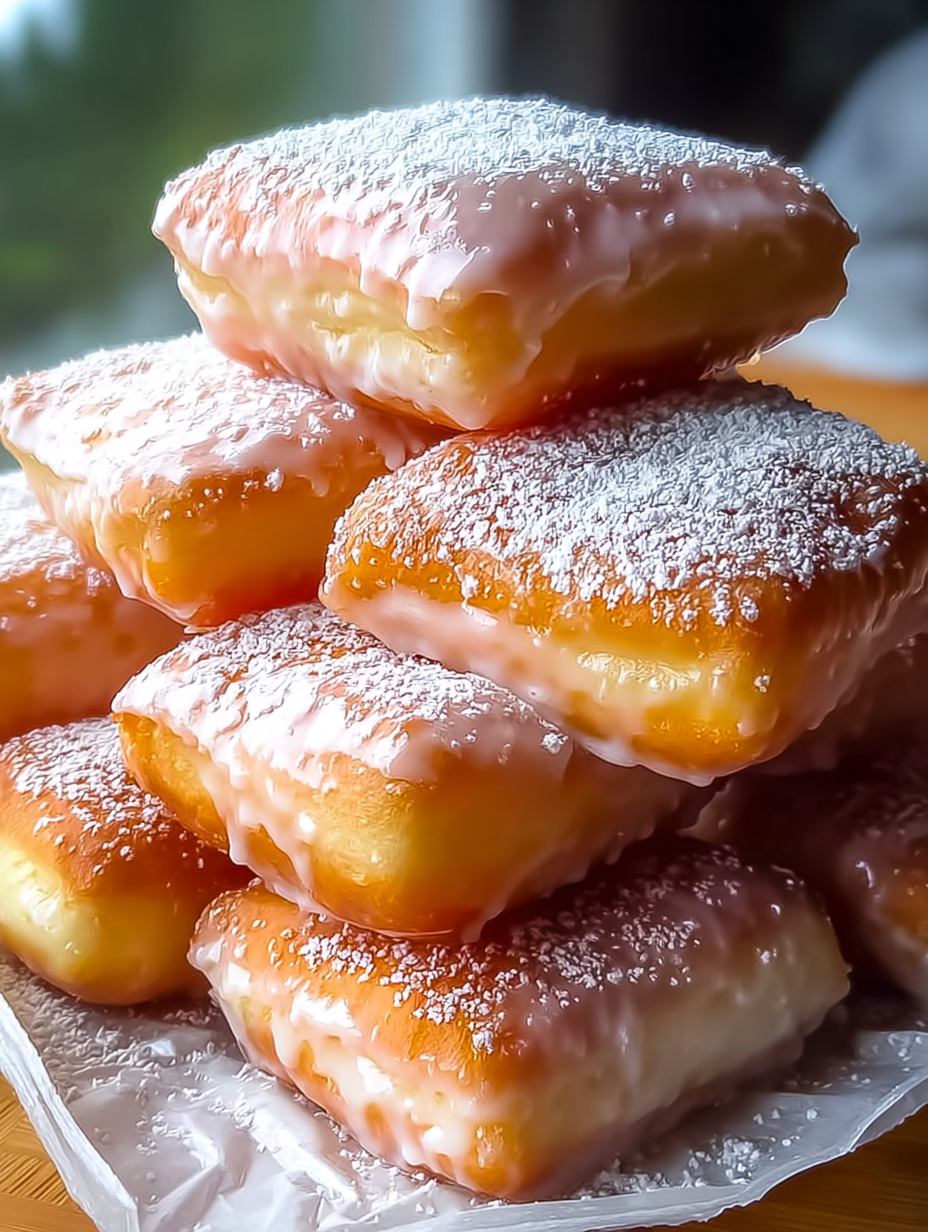
If you’re looking for a classic baked good that feels both comforting and special, look no further than Glazed Buttermilk Beignet Squares. This recipe transforms a few pantry staples into golden, airy pillows of dough crowned with a sweet, shiny glaze. The secret lies in the tangy buttermilk and a simple yeast dough, creating a texture that’s tender on the inside with a slight crispness on the outside.
Perfect for a weekend baking project or to satisfy a sweet craving, these beignets are easier than you think to make at home.
The Magic of Buttermilk in Baking
Buttermilk is the unsung hero of many baked goods. Its gentle acidity works wonders in this beignet recipe. First, it reacts with the yeast, helping to activate it and promote a good rise, resulting in that signature light and airy interior. Second, the acidity tenderizes the gluten strands in the flour, ensuring the final beignet square is soft and delicate rather than tough.
Finally, it imparts a subtle tang that balances the sweetness of the glaze, creating a more complex and satisfying flavor profile than a plain dough would.
If you don’t have buttermilk on hand, a common substitute is to mix one cup of milk with one tablespoon of lemon juice or white vinegar and let it sit for 5-10 minutes until it curdles slightly. However, for the most authentic flavor and texture, using real buttermilk is recommended.
Essential Ingredients and Safe Substitutions
This recipe uses common, wholesome ingredients. It’s important to ensure all components are suitable for everyone to enjoy. We use active dry yeast as the leavening agent for its reliability. Granulated sugar feeds the yeast and sweetens the dough. A single large egg enriches the dough and adds structure.
Unsalted butter provides richness and flavor. All-purpose flour forms the base of the dough, and a bit of salt enhances all the other flavors. For frying, a neutral oil like vegetable or canola is best for its high smoke point.
The glaze is a simple mixture of powdered sugar, milk or a milk alternative, and pure vanilla extract for flavor. A tiny pinch of salt in the glaze is a professional baker’s trick to make the sweetness taste brighter and more defined. All ingredients are carefully selected for a universally enjoyable treat.
Step-by-Step Guide to Perfect Beignet Squares
Follow these detailed steps for foolproof beignets. The process is straightforward but pays attention to timing and temperature for the best results.
Activating the Yeast
Begin by whisking together 3/4 cup of warm buttermilk (around 110°F, or warm to the touch but not hot), 2 1/4 teaspoons of active dry yeast, and 1/4 cup of granulated sugar in a large bowl.
Let this mixture rest for 5 to 8 minutes. You should see it become foamy and bubbly, which is a sign that the yeast is alive and active. This foamy base is crucial for a good rise.
Making and Kneading the Dough
Once the yeast is frothy, add 1 large egg and 1/4 cup of melted unsalted butter. Mix gently to combine. Gradually stir in 3 1/4 cups of all-purpose flour and 3/4 teaspoon of salt. Mix until a soft, shaggy dough forms. Turn it out onto a lightly floured surface and knead for 8 to 10 minutes.
You’re aiming for a smooth, elastic dough that’s tender to the touch but not sticky. If it sticks to your hands, add a tiny bit more flour, but be careful not to add too much, or the beignets will become dense.
The First Rise
Place the kneaded dough back into a lightly oiled bowl, cover it with a clean kitchen towel or plastic wrap, and let it rise in a warm, draft-free spot. The dough needs to double in size, which typically takes between 1 to 1.
5 hours. The warmth helps the yeast do its job, so placing the bowl in a slightly warmed oven (turned off) or on top of the refrigerator can help.
Shaping and Cutting the Beignets
After the first rise, gently punch down the dough to release the air. On a lightly floured surface, roll the dough out to an even thickness of about 1/2 inch. This thicker cut is what gives you those plush, bakery-style squares.
Using a sharp knife or a pizza cutter, cut the dough into neat squares. You don’t need to re-roll scraps excessively, as overworking can make them tough.
Frying to Golden Perfection
Pour your neutral oil into a heavy-bottomed pot or deep fryer to a depth of about 2-3 inches. Heat the oil to 340–350°F (170–175°C). Using a thermometer is key here; if the oil is too cool, the beignets will absorb too much oil and become greasy.
If it’s too hot, they will brown too quickly on the outside before cooking through inside.
Fry the dough squares in small batches, being careful not to overcrowd the pot. They will puff up beautifully. Fry for about 2-3 minutes per side, turning once, until they are a deep, even golden brown all over.
Use a slotted spoon or tongs to transfer them to a wire rack set over a baking sheet to drain. Avoid using paper towels, as they can trap steam and make the bottom soggy, which will affect the glaze.
Making the Simple Glaze
While the beignets are draining and still warm, make the glaze. In a medium bowl, whisk together 2 cups of powdered sugar, 3 to 4 tablespoons of milk (start with 3), 1 teaspoon of pure vanilla extract, and a tiny pinch of salt.
Whisk until completely smooth. The glaze should be thick but pourable. If it’s too thick, add a few more drops of milk. If it’s too thin, add a bit more powdered sugar.
Glazing and Serving
Once the beignets have drained for a minute or two (they should still be warm), it’s time to glaze. You can either dip the top of each beignet square into the glaze or spoon the glaze over the top. For a classic look, glaze only the top, allowing some to drizzle down the sides.
Place the glazed beignets back on the wire rack to allow the excess glaze to drip off and the glaze itself to set into a shiny, crackly shell. This takes about 5 to 10 minutes. Serve immediately for the ultimate warm, fresh, and gooey experience.
Nutritional Information
As with any delicious dessert, enjoying these beignets in moderation is part of a balanced diet. Below is a detailed nutritional breakdown per serving to help you make informed choices. Please note that these are approximate values, as they can vary based on specific ingredients used and exact portion sizes.
| Nutrient | Amount Per Serving |
|---|---|
| Calories | 290 kcal |
| Total Fat | 8g |
| Saturated Fat | 3.5g |
| Trans Fat | 0g |
| Cholesterol | 25mg |
| Sodium | 180mg |
| Total Carbohydrates | 52g |
| Dietary Fiber | 1g |
| Total Sugars | 30g |
| Protein | 4g |
Expert Tips and Notes
For consistently perfect beignets, keep these tips in mind. First, ensure your buttermilk is warm, not hot, to avoid killing the yeast. Second, don’t rush the rise; let the dough double fully for the best texture. When frying, maintain a steady oil temperature and fry in batches. After frying, letting the beignets drain on a wire rack is crucial for a crisp exterior.
Finally, glaze while the beignets are warm so the glaze sets nicely. These beignets are best enjoyed the day they are made but can be stored in an airtight container at room temperature for up to one day. Reheat briefly in an oven or toaster oven to refresh.
Conclusion
Making Glazed Buttermilk Beignet Squares at home is a rewarding baking project that yields impressive results. The combination of the tangy buttermilk dough and the sweet, simple glaze creates a timeless treat that’s perfect for breakfast, dessert, or a sweet snack. By following this detailed guide, you’ll master the techniques for activating yeast, kneading dough, frying at the perfect temperature, and creating a flawless glaze.
So, gather your ingredients and get ready to fill your kitchen with the wonderful aroma of frying dough and vanilla. Your effort will be rewarded with a batch of irresistibly delicious, golden-brown beignet squares that everyone will love.
The Recipe
PrintGlazed Buttermilk Beignet Square
Golden, airy squares of yeast-raised buttermilk dough, fried until puffed and crisp, then topped with a sweet vanilla glaze.
- Prep Time: 25 min
- Cook Time: 15 min
- Total Time: PT2H10M
- Yield: 12 1x
- Category: Dessert
- Method: Fried
- Cuisine: American
- Diet: Vegetarian
Ingredients
¾ cup warm buttermilk (not hot)
2¼ teaspoons active dry yeast
¼ cup granulated sugar
1 large egg
¼ cup unsalted butter, melted
3¼ cups all-purpose flour
¾ teaspoon salt
Neutral oil (vegetable or canola) for frying
2 cups powdered sugar
3–4 tablespoons milk or cream
1 teaspoon vanilla extract
Pinch of salt
Instructions
- In a large bowl, whisk warm buttermilk, yeast, and sugar until combined. Let rest until foamy (5–8 minutes).
- Add the egg and melted butter, then mix gently. Gradually stir in flour and salt until a soft, smooth dough forms. Knead for 8–10 minutes.
- Cover the bowl and let the dough rise in a warm place until doubled in size (1–1½ hours).
- Roll the risen dough to about ½-inch thickness and cut into neat squares.
- Heat oil to 340–350°F (170–175°C). Fry squares in batches, turning once, until evenly golden (2–3 minutes per side).
- Transfer fried beignets to a wire rack to drain briefly.
- Whisk powdered sugar, milk, vanilla, and salt until smooth and pourable. Glaze the warm beignets.
- Allow the glaze to set into a shiny shell before serving (5–10 minutes).
Notes
- Ensure buttermilk is warm, not hot, to avoid killing the yeast.
- Do not overcrowd the pot when frying to maintain oil temperature.
- Draining on a wire rack prevents sogginess; avoid paper towels.
- Beignets are best served fresh on the day they are made.
Nutrition
- Serving Size: 1 beignet square
- Calories: 290 kcal
- Sugar: 30g
- Sodium: 180mg
- Fat: 8g
- Saturated Fat: 3.5g
- Unsaturated Fat: 4g
- Trans Fat: 0g
- Carbohydrates: 52g
- Fiber: 1g
- Protein: 4g
- Cholesterol: 25mg